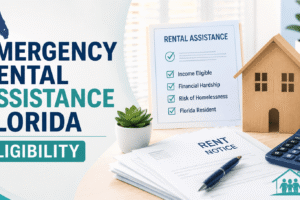
Rent isn’t getting cheaper—and for many Florida residents, it’s becoming one of the hardest bills to keep up with.
If you’re behind on rent or worried you might fall behind soon, you’re not alone. The good news is that Florida has multiple rent assistance programs designed to help people stay housed during tough times.
The tricky part? Most of these programs aren’t centralized, and figuring out where to apply can feel overwhelming.
This guide walks you through everything you actually need to know—what help is available, who qualifies, and how to apply without wasting time.
Quick Overview: Rent Help in Florida
Here’s the simple version:
- Help is available, but often managed locally (county or city)
- Most programs focus on low-income households
- You may get help with past-due rent, current rent, or even utilities
In many cases, assistance is paid directly to your landlord.
What Types of Rent Assistance Exist?
Florida doesn’t rely on a single program. Instead, assistance comes from different sources working together.
The most common include:
- Emergency Rental Assistance (ERA)
- Local housing programs
- Community and nonprofit support
This means your experience can vary depending on where you live—but options are out there.
Who Is Most Likely to Qualify?
While every program has its own criteria, most focus on a few core factors:
- Your household income
- Your current rent situation
- Risk of eviction or housing instability
If your income is limited and your rent is becoming difficult to manage, you likely have a strong case.
How Much Assistance Can You Receive?
There’s no one-size-fits-all answer—but here’s what typically happens:
- Some programs cover 1–3 months of rent
- Others focus on overdue rent (arrears)
- Some include utility assistance as well
In certain cases, total support can reach several thousand dollars depending on need.
Where Do You Actually Apply?
This is where many people get confused.
Unlike SNAP or Medicaid, rent assistance is often handled locally. That means you may need to apply through:
- Your county housing office
- A local nonprofit organization
- A community action agency
If you’re unsure where to start, it helps to first understand other support programs you may already qualify for—like benefits available for unemployed residents in Florida, which can complement housing assistance.
Step-by-Step: How to Apply Without Delays
Here’s a simple approach that works in most cases:
Step 1: Find Local Programs
Search based on your county or city—this is critical.
Step 2: Review Eligibility
Check income limits and requirements before applying.
Step 3: Prepare Your Documents
You’ll usually need:
- Proof of income
- Lease agreement
- Identification
- Rent balance or eviction notice (if applicable)
Step 4: Submit Your Application
Most programs allow online applications, though some require in-person steps.
Step 5: Stay Responsive
Follow up and respond quickly to any requests—this is where many delays happen.
How Long Does It Take to Get Approved?
Processing times depend on demand in your area, but generally:
- Initial review: 2–4 weeks
- Longer if documents are missing or unclear
If your situation is urgent, some programs may prioritize your application.
What If You’re Already Facing Eviction?
If you’ve received an eviction notice, don’t wait.
Most assistance programs prioritize:
- Households with active eviction cases
- Families with children
- People with no alternative housing
Acting quickly can significantly improve your chances of getting help in time.
Can You Combine Rent Assistance With Other Benefits?
Yes—and this is one of the smartest things you can do.
Many households combine housing help with programs like food assistance. If you haven’t already, it’s worth checking whether you qualify for SNAP benefits in Florida to reduce your monthly expenses.
You may also qualify for healthcare coverage depending on your income—this guide to Medicaid eligibility in Florida can help you understand your options.
Common Mistakes That Slow Everything Down
Even strong applications get delayed for avoidable reasons:
- Missing or unclear documents
- Incorrect income reporting
- Not responding to follow-ups
Taking a few extra minutes to double-check your application can save weeks later.
FAQ
Is rent assistance still available in Florida in 2026?
Yes, but programs are mostly managed at the local level.
Can I apply before I fall behind on rent?
Some programs allow this if you’re at risk of falling behind.
Do I need to repay the assistance?
Most programs provide grants, not loans.
Can I apply online?
Yes, many counties offer online applications.
What if my application is denied?
You can explore other local programs or reapply if your situation changes.
Final Thoughts
Rent assistance in Florida isn’t always straightforward—but it can make a real difference when you need it most.
The key is acting early, applying correctly, and combining available resources to reduce financial pressure.
If rent is becoming a struggle, don’t wait until it turns into a crisis—start exploring your options today.